

Building Greener in London: Sustainable Materials and Fabric‑First Practices for Modern Homes
Building greener in London means more than ticking boxes on regulations. When you choose sustainable building materials and fabric first design, you balance low embodied carbon with real-world costs and maintenance. This guide unpacks practical choices that meet Part L compliance and the Future Homes Standard 2025, giving you clear steps to deliver eco homes London can be proud of. Let’s explore how to make your project both greener and smarter, right from the foundation up. For more on sustainable building materials, check out this link.
Sustainable Building Materials
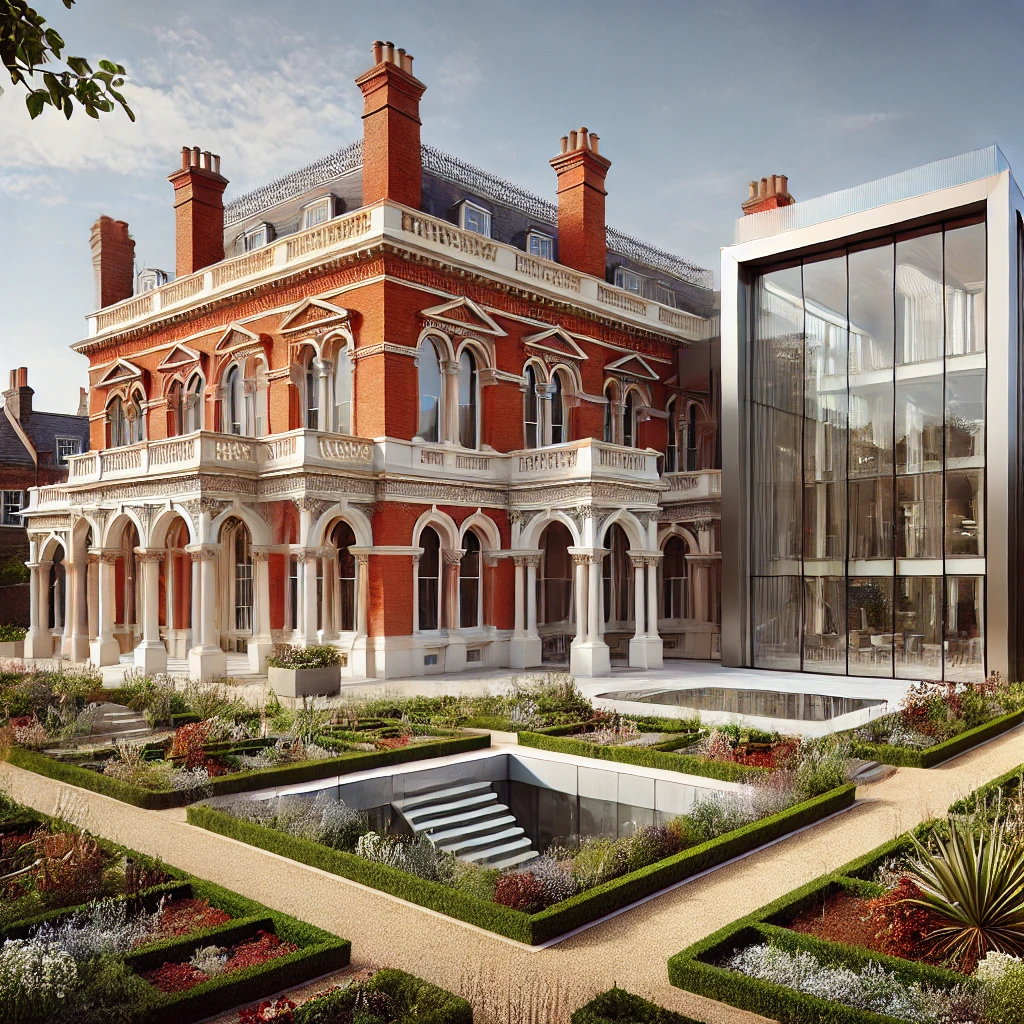
Building sustainably starts with smart material choices. By opting for materials with low embodied carbon, you contribute to a healthier planet while positioning your project as an eco-friendly haven.
Low Embodied Carbon Choices
When considering materials, think about their full life cycle. Low carbon materials help reduce emissions from production to disposal. For example, using GGBS concrete alternatives can lower carbon emissions by up to 80% compared to traditional cement. You might wonder why this matters. In London, where construction accounts for a significant carbon footprint, these choices lead to substantial reductions. For those who want to explore more, Swatchbox provides insights.
Timber Frame and Hempcrete
Timber frames are a classic choice with a modern twist. They’re renewable and offer excellent insulation. Pair them with hempcrete, a bio-composite material, to enhance insulation and fire resistance. Imagine a home that’s warm in winter and cool in summer, all while reducing your environmental impact. This duo not only supports energy efficiency but also promises durability. For more on this, check out these sustainable building practices.
Reclaimed London Stock Brick
Reclaimed bricks are more than just a nod to history. They offer a unique character and significantly lower the environmental toll of new brick production. By choosing these, you save resources and add a touch of authenticity to your project. Plus, they often come with stories of the past, giving your home a narrative beyond its walls. See more about their benefits here.
Fabric-First Design Principles
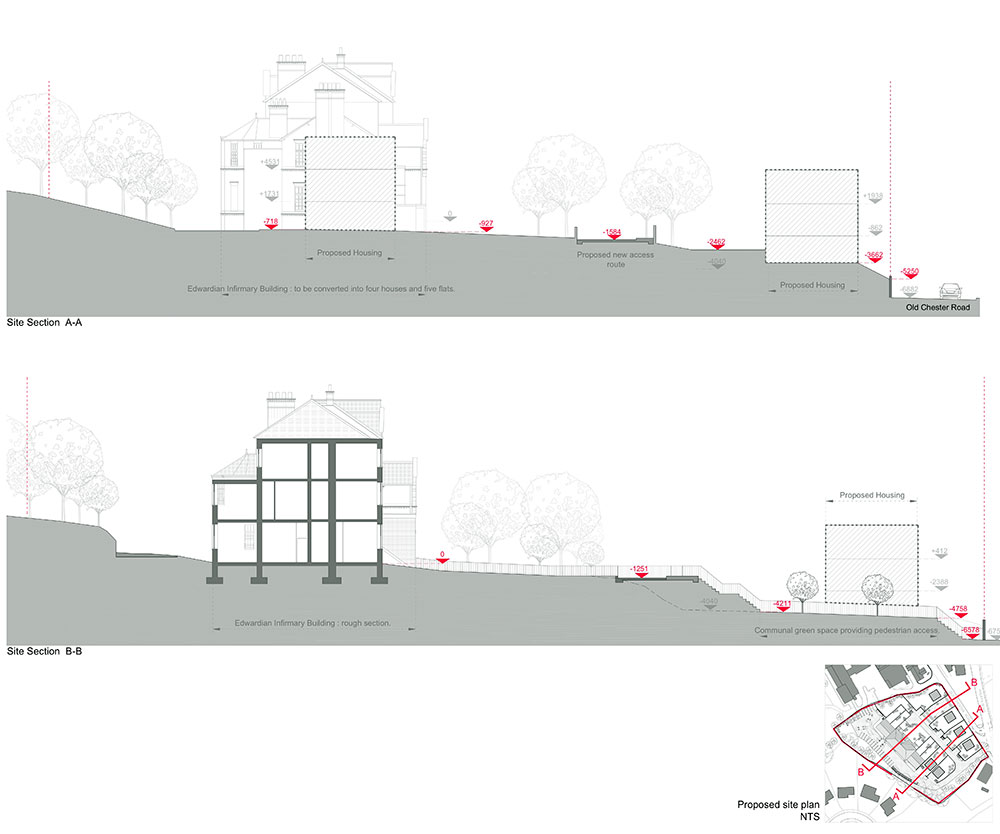
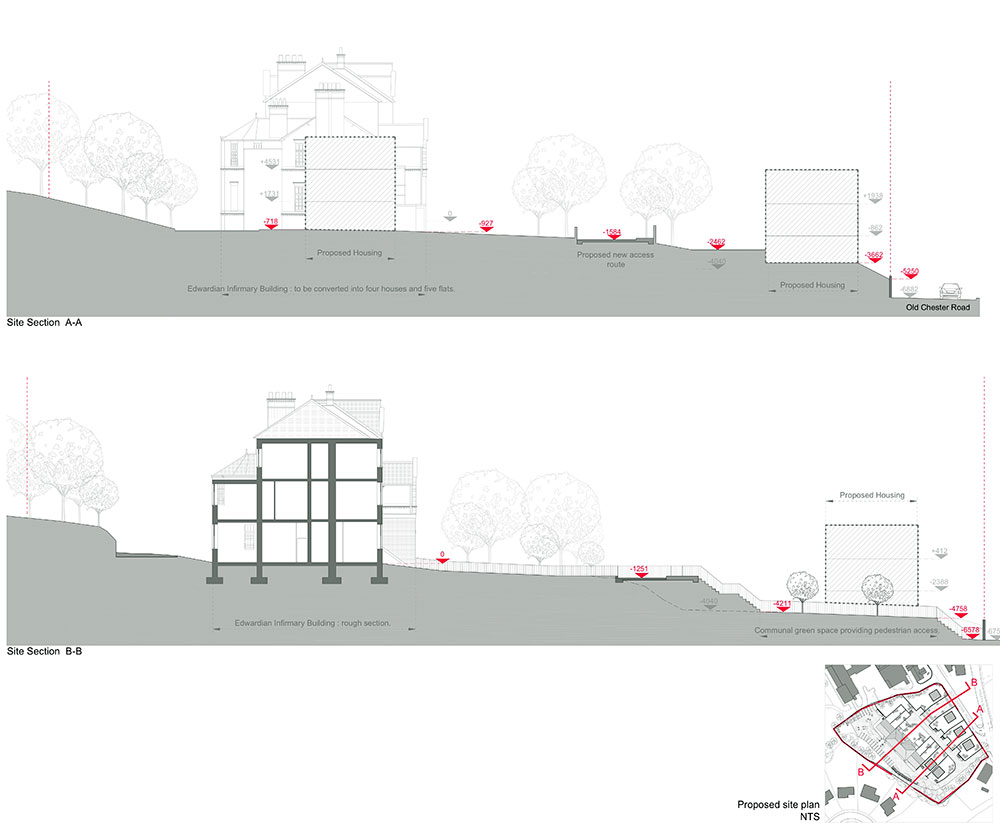
Next, let’s talk about fabric-first design, a strategy focusing on the building’s envelope to maximise energy efficiency. This method not only reduces energy bills but also ensures a comfortable indoor environment.
Insulation and Airtightness
Proper insulation is key. When you invest in quality insulation like wood fibre or lime plaster, you keep your home snug while maintaining breathability. Airtightness is equally crucial. By limiting drafts, you prevent heat loss and keep energy use in check. Remember, the tighter the build, the lesser the heating needed. And for airtightness testing, it’s your gateway to optimal energy efficiency.
MVHR Integration
Mechanical Ventilation with Heat Recovery (MVHR) systems are game changers. They circulate fresh air while recovering heat from outgoing air, reducing energy demand. Picture a system that not only keeps your air fresh but also saves on heating costs. With MVHR, you enjoy a healthier, more sustainable home environment. Curious about its benefits? Learn more from USGBC’s green product insights.
Compliance and Policy Insights
Understanding regulations is crucial to avoid costly mistakes. Let’s delve into the specifics of achieving compliance while planning for the future.
Part L and Part O Regulations
Part L focuses on energy efficiency, ensuring buildings meet modern standards. It’s all about reducing carbon emissions and improving energy performance. Meanwhile, Part O addresses overheating, an increasing concern in urban areas. By embracing these standards, you’re not only compliant but also future-proofing your build against climate challenges.
Future Homes Standard 2025
Looking ahead, the Future Homes Standard sets the stage for zero-carbon ready homes. By 2025, new builds must incorporate high-efficiency measures. This involves not just meeting current regulations but exceeding them to prepare for a sustainable future. As you plan, consider this standard as your blueprint for resilience and sustainability. For a deeper dive, explore these future-focused insights.
In conclusion, by integrating sustainable materials and fabric-first principles, you create a home that’s not just eco-friendly but also efficient and resilient. Remember, the choices you make today pave the way for a sustainable tomorrow.