

From Style to Site: A Practical Guide to UK Architectural Styles, Planning and Construction
Architectural style choices often feel like a maze tangled with planning rules and building standards. If you’re tackling a project in Greater London or the Home Counties, understanding how these styles interact with planning permission London and building regulations England can save you time, money and frustration. This guide breaks down key UK architectural styles and explains how each affects construction methods, costs and schedules—helping you plan your project confidently from design through delivery. For more insights, you can explore this guide.
Understanding UK Architectural Styles

Architectural styles in the UK each offer unique insights into the past and present of British culture. By understanding these styles, you can make informed decisions for your project.
Georgian and Victorian Influences
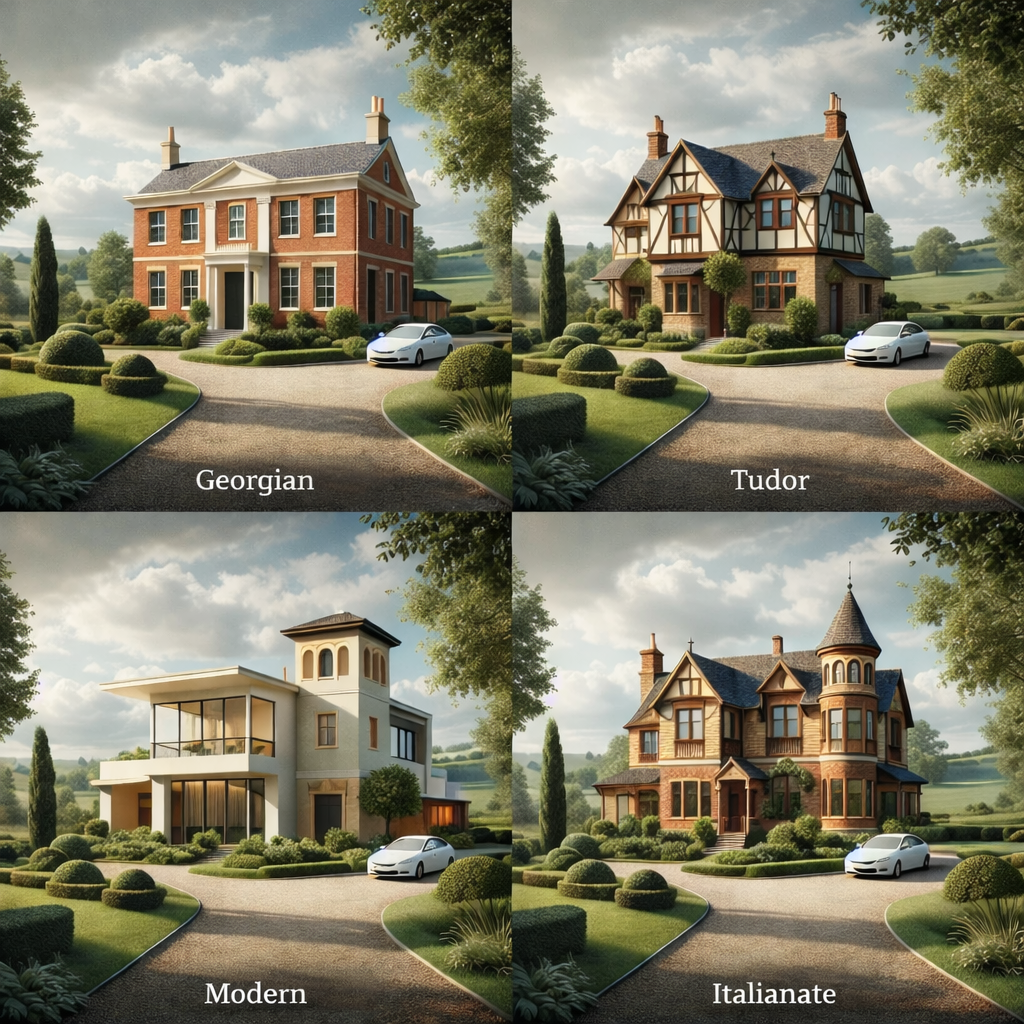
Georgian and Victorian styles are fundamental in shaping the architectural landscape across the UK. You’ll notice Georgian homes by their symmetry and classic proportions. They often feature sash windows and decorative cornices, with many built using brickwork that still stands strong today. Georgian architecture is timeless, giving your project a touch of elegance and grandeur.
Victorian designs, however, bring a different charm. Known for their elaborate details, Victorian homes often include bay windows, intricate woodwork, and stained glass. These features not only enhance visual appeal but also add historical depth. If you’re looking to refurbish a Victorian property, consider retaining the original features for a blend of old and new.
Choosing between these styles impacts your project’s construction methods and costs. Georgian buildings typically require restoration of traditional materials, while Victorian homes might involve more intricate updates. Understanding these distinctions helps you budget and plan effectively.
Modern and Contemporary Designs
Moving into modern and contemporary designs, the focus shifts towards minimalism and functionality. Modern architecture embraces open spaces, clean lines, and the integration of glass and steel. These materials allow for innovative designs and energy-efficient solutions, aligning well with sustainable building practices. Think of it as creating a space that breathes and adapts to your lifestyle.
Contemporary designs, on the other hand, are ever-changing, often incorporating the latest trends and technologies. They offer a canvas for creativity, allowing for personalized spaces that reflect your individuality. With the rise of smart home technology, contemporary designs can seamlessly integrate these systems for a cutting-edge living experience.
Whether you lean towards the modern or contemporary, these styles often require advanced construction techniques. These methods can streamline the building process, potentially reducing costs and timelines. As you explore these designs, think about how they meet your needs both now and in the future.
Navigating Planning Regulations
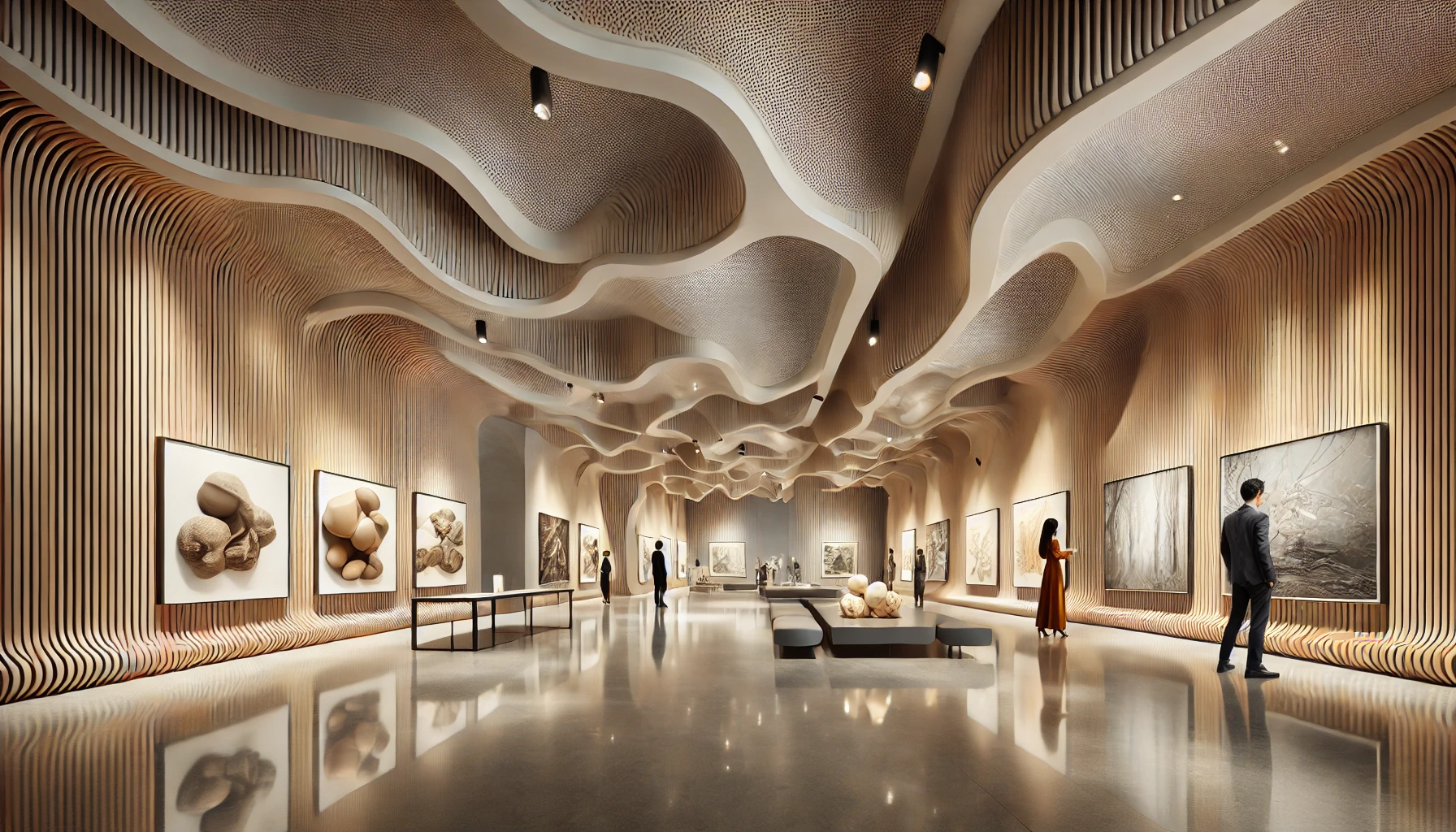
Understanding architectural styles is just the beginning. Navigating planning regulations is key to bringing your vision to life. This section will guide you through the essentials of securing permissions in London and beyond.
Securing Planning Permission in London
Planning permission is often seen as a hurdle, but it’s crucial for ensuring your project aligns with local guidelines. In London, this process can be particularly rigorous. Understanding the London Plan is your first step, which outlines strategic policies for sustainable development. By aligning your project with these standards, you increase the likelihood of approval.
Engaging with local authorities early in your planning process can save time. It’s beneficial to understand what they prioritise, such as sustainability and community impact. Many assume that planning permission is a one-size-fits-all process, but it’s highly specific to your project’s location and scope.
For those unfamiliar with the intricacies of these regulations, consulting with experts like Blue Apple can streamline your approach. They can assist in preparing necessary documents and navigating any complexities that arise, ensuring a smoother journey from plans to permits.
Conservation and Listed Building Consent
If your project is in a conservation area or involves a listed building, additional layers of consent are necessary. These sites are protected due to their historical and architectural significance, requiring careful consideration in any alteration plans. Listed building consent is mandatory and involves a meticulous review of your proposed changes.
Many think that working on listed buildings is overly restrictive, but it can also be an opportunity to enhance historical features with modern flair. By collaborating with specialists in heritage conservation, you can balance preservation with innovation, resulting in a unique and respectful transformation.
Understanding these additional requirements helps avoid delays and ensures your project respects its historical context. For more support, you can access resources through the University of Buffalo for in-depth insights into architectural conservation methods.
Building Regulations and Construction Methods
With planning permissions secured, focus shifts to building regulations and construction methods. This phase ensures safety and compliance, setting the stage for your project’s success.
Approved Documents and Safety Standards
Building regulations in England, detailed in Approved Documents, cover everything from structural integrity to energy efficiency. These standards are non-negotiable, safeguarding both the construction process and the end-users. For example, Approved Document Part L focuses on energy use, helping you design an eco-friendly project.
Many overlook the importance of these regulations, but they are critical for long-term success. Ignoring them can lead to costly penalties and project setbacks. Engaging with professionals who understand these documents ensures compliance and peace of mind.
For those keen on further understanding, resources like the Building Safety Act 2022 provide comprehensive guidelines on maintaining safety throughout your build.
Traditional and Modern Construction Techniques
The choice between traditional and modern construction techniques can influence your project’s outcome significantly. Traditional methods, such as bricklaying and timber framing, remain popular for their durability and aesthetic appeal. They offer a timeless quality that many property owners find appealing.
Conversely, modern methods of construction (MMC), like modular building and 3D printing, offer speed and efficiency. These techniques can dramatically reduce build times and are particularly effective for projects on tight schedules. While some might see MMC as a compromise on quality, they can provide both precision and durability when executed correctly.
Choosing the right construction method depends on your project’s goals, budget, and timeline. Consulting with a knowledgeable contractor like Blue Apple can offer insights into the best approach for your specific needs.
In conclusion, understanding the interplay between architectural styles, planning regulations, and construction methods empowers you to make informed decisions, ensuring your project not only meets legal standards but also achieves your vision. Whether you’re drawn to historical elegance or modern innovation, comprehensive planning is key to bringing your architectural dreams to life.